
Glamping Pods vs Modular Cabins: How to Choose for Your Site
GUIDE SERIES · PART 15 OF 48
Glamping Pods vs Modular Cabins: How to Choose for Your Site
How pods and modular cabins differ in size, comfort, season length and flexibility, and how to compare them for your own project.
Many resort owners ask which earns more, a glamping pod or a modular cabin. There is no honest answer without your numbers: your rates, your occupancy, your season, your guests and your site. What we can do is explain how the two differ, where each tends to suit, and how to compare them with a simple worksheet. TOPK builds modular cabins, so we also say plainly where a pod may be the better fit.
What we mean by each
Glamping pod. A small, self-contained guest unit, often supplied complete by the maker. Pods vary widely in size, materials and equipment, and many are compact, with a bed, limited seating and, depending on the model, a small bathroom or none.
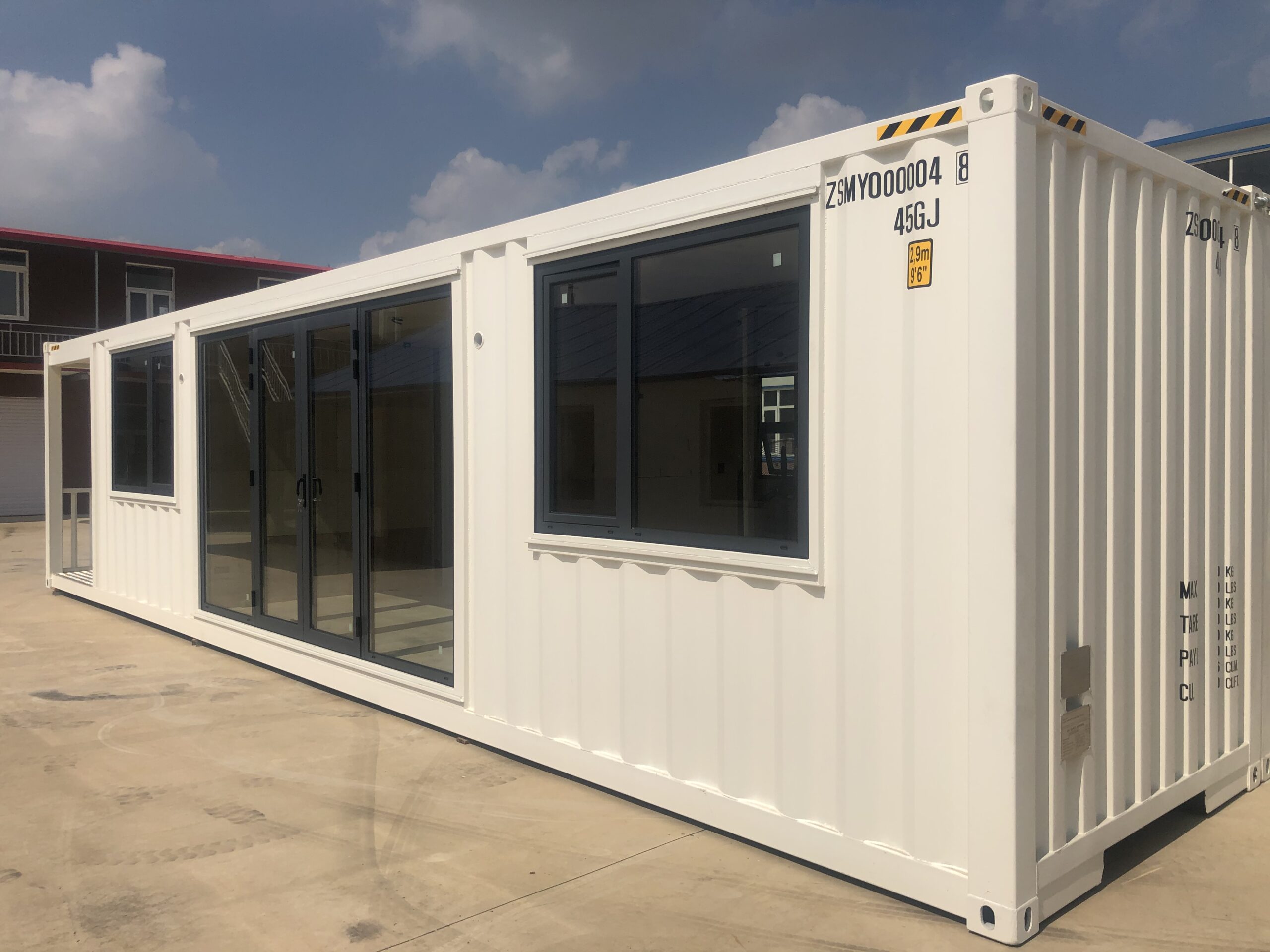
Modular cabin. A larger, made-to-order unit built from one or more modules. A TOPK cabin is a steel-structure building with insulation, built to your drawings, with a layout, bathroom, glazing and finish that you specify.
These are generalisations, because products in both groups vary. Check the actual specification of any unit you are considering.
How they typically differ
| Feature | Typical glamping pod | TOPK modular cabin |
|---|---|---|
| Size | Compact | From one 20 ft module (about 15 m²) to several modules joined |
| Layout | Usually fixed by the maker | Designed to your brief |
| Guests | Often one or two | One or two, up to families or groups, depending on layout |
| Bathroom and kitchenette | Depends on the model | Planned into the layout, fitted locally |
| Season | Often best suited to warmer months, depending on build | Insulation can be specified for your climate, for year-round use |
| Construction | Varies by maker | Steel structure with insulation and a weather-resistant envelope |
| Delivery to site | Often supplied complete, sometimes ready to place | Shipped as modules, craned onto a foundation, connected and fitted out locally |
| Expansion | Add more pods | Add more cabins, or join more modules to a cabin |
| Relocation | Often possible | Possible under the right conditions, because modules connect without welding |
| Approvals | Varies, and depends on how your authority classes the unit | Treated as a building in most places |
Where a pod may suit you
- You plan a short or seasonal operation.
- You want to test the market with a small, quick first step.
- Your site or approval limits you to small units.
- You prefer a unit supplied complete and ready to place, with little local fit-out.
- Your guests mainly want a simple, compact stay.
Compact 20ft Module for a Glamping Cabin
Where a modular cabin may suit you
- You want year-round operation in a cold, hot or wet climate, and so need good insulation.
- You want a larger or more private unit, such as a suite or family cabin with a proper bathroom and a living area.
- You want a long-lasting building, with a design that matches your brand.
- You plan to grow in phases and want units that are consistent and expandable.
- You want some units that can be moved if your site plan changes.
- Your guests expect a premium stay and are willing to pay for it.
What affects earnings
Earnings depend on your market, so compare using your own figures. The main factors are:
- The nightly rate your guests will pay.
- The occupancy across the season.
- The length of the season.
- How many guests each unit sleeps.
- The total cost of the unit installed.
- Running and maintenance costs.
- The life of the unit.
- How much each unit adds to your site’s appeal.
A simple comparison worksheet
For each option, list your own estimates:
| Item | Pod | Modular cabin |
|---|---|---|
| Number of units your site can hold | ||
| Guests per unit | ||
| Average nightly rate | ||
| Nights booked per year, from your season length and occupancy | ||
| Purchase price per unit | ||
| Shipping and import, if applicable | ||
| Foundation, crane and installation | ||
| Utilities connection | ||
| Local fit-out and furnishings | ||
| Permits and inspections | ||
| Annual cleaning, maintenance and repairs | ||
| Expected life of the unit |
Annual income per unit is nights booked multiplied by the average rate. Then compare the total cost of owning each unit over its life. Ask TOPK for a quote for the cabin line, and get the same itemised figures from any pod supplier you consider.
What the cabin option involves
A TOPK cabin takes more steps than a pod supplied complete. We say this clearly, so you can plan.
- Made to order. Every TOPK building is made to order from your drawings. If you only have a sketch, we prepare production drawings from it.
- Shipping. Modules ship in containers where they fit. Container-size modules carry a CSC plate and ship as containers. Non-standard modules are best sized to fit inside a container, and a module too large for one can go by flat-rack container or breakbulk vessel. Modules matching standard container sizes ship at the lowest cost and give the best value for money.
- Foundations and crane. Your local contractor prepares the foundations, and a crane lifts the modules into place.
- Local fit-out. Plumbing, wiring, windows, doors and appliances are fitted in your country with locally certified products, by your licensed trades. For large projects, TOPK can supply fully finished buildings with certified components.
- Payment. Every TOPK building is custom made, so payment in full by T/T is received before production begins.
In return, you get a building specified for your climate and your guests, joined with our quick-connection system without welding between modules. The connection is designed to be waterproof, to keep the insulation continuous across the joint and to be quick to install. Some interior and exterior trim at the joint line is finished on site.
40ft Container Module for a Larger Guest Cabin

Approvals
How your authority classes a unit matters more than what the maker calls it. Some places treat a pod as a structure, some as a temporary or movable unit, and some as a building. Fire safety, accessibility, sanitary provision and the planning category for tourist accommodation may apply. Speak to your local authority and architect before you choose. Container-size modules carry a CSC plate and a classification society certificate, which relate to shipping only. They do not replace building approval.
Common mistakes
- Choosing by price per unit alone. Compare total cost, nights booked and life of the unit.
- Ignoring the season. A unit that is comfortable only in summer limits your income.
- Skipping the approval check. Confirm how your authority classes the unit before you buy.
- Underestimating services. Water, power and wastewater are the same for both options.
- Forgetting access. Check road, turning space and crane position for modules, and the delivery route for pods.
FAQ
Which earns more, a pod or a cabin?
It depends on your rates, occupancy, season and costs. Use the worksheet above with your own figures, and ask suppliers for itemised quotes.
Can I start with pods and add cabins later?
Yes, many sites mix unit types. Tell us your plan, so we can design the cabins to suit the site.
Can TOPK cabins be used all year?
We build the wall, floor and roof system to the insulation figures on your approved drawings, so the building can be specified for your climate. Tell us your location and local requirements.
Can I move a cabin if my site plan changes?
In the right conditions, the modules can be separated quickly and transported. Tell us at the start if you may need to move units.
Do you supply the interior?
For most orders, the interior fit-out is chosen and fitted locally. For large projects, TOPK can supply fully finished buildings with certified components. Contact us with your quantity and market.
Do I pay in advance?
Yes. Every TOPK building is custom made, so payment in full by T/T is received before production begins.