
Container Building Certification: What Classification Society Approval Covers
GUIDE SERIES · PART 06 OF 48
CSC Certified Container Building: What the Plate and Certificate Cover
How container-size modules ship as containers, and what the certificate does not replace.
TOPK makes container-size modules that match the dimensions of a standard shipping container. They carry a CSC plate and are certified by a classification society. That is what lets them travel the way a container travels. This guide explains where the idea comes from, what the plate and certificate support, and what they do not replace, so you know what to expect when the module reaches your port and your site.
Where container certification comes from
Shipping containers are built and approved under international rules for safe handling at sea and on land. The best known is the International Convention for Safe Containers, usually called the CSC. It was written to keep people and cargo safe when containers are stacked, lifted and moved between ships, trucks and trains. Under it, a container carries an approval plate, and containers in service are examined at intervals.
Classification societies are independent technical organisations that assess and certify structures and equipment used in shipping. Carriers, terminals and insurers know and recognise their work, which is why a certificate from one carries weight in the shipping chain.
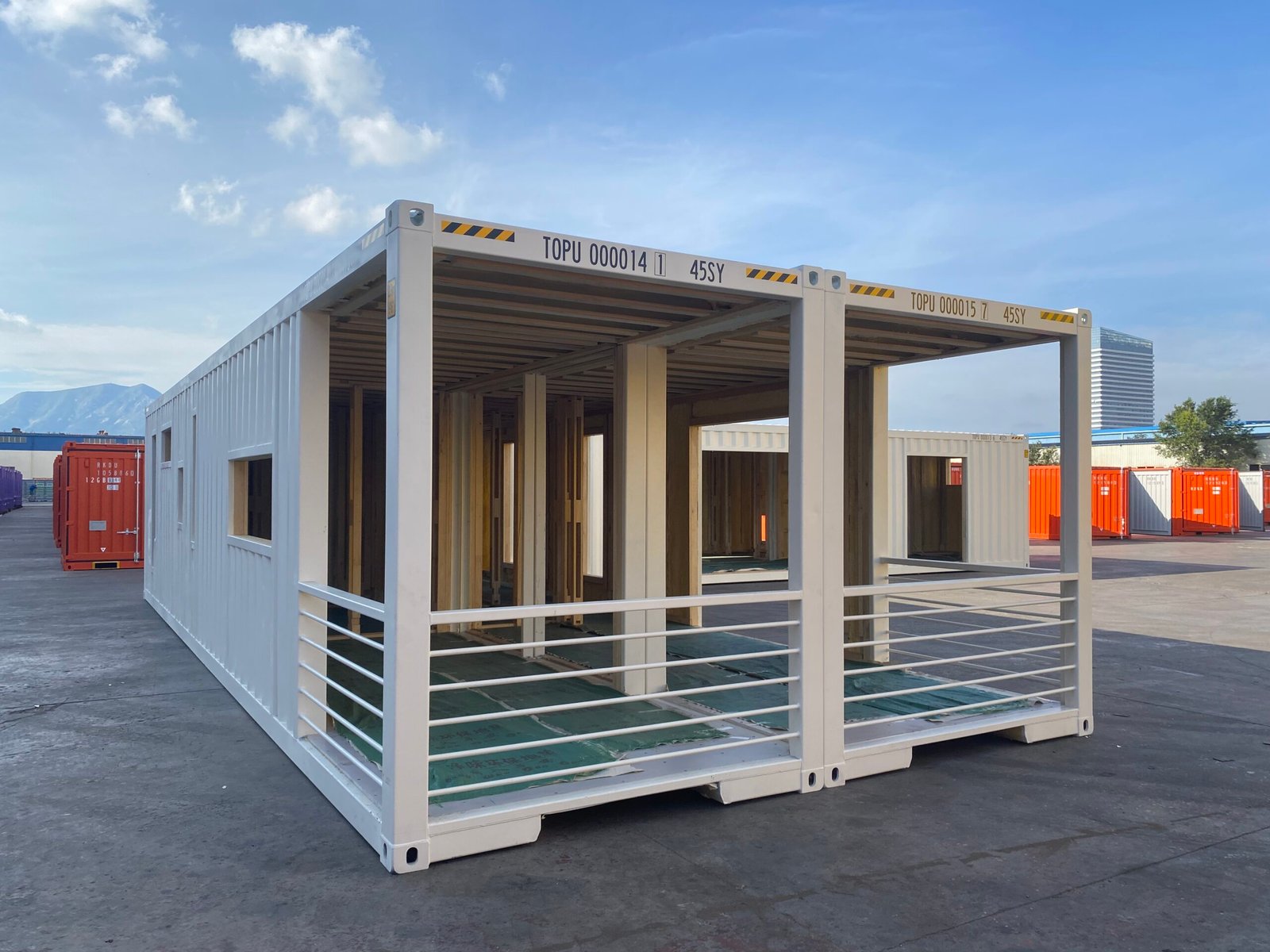
TOPK container-size modules are built to standard container dimensions and carry a CSC plate. Non-standard size modules do not carry a CSC plate.
What this means for TOPK container-size modules
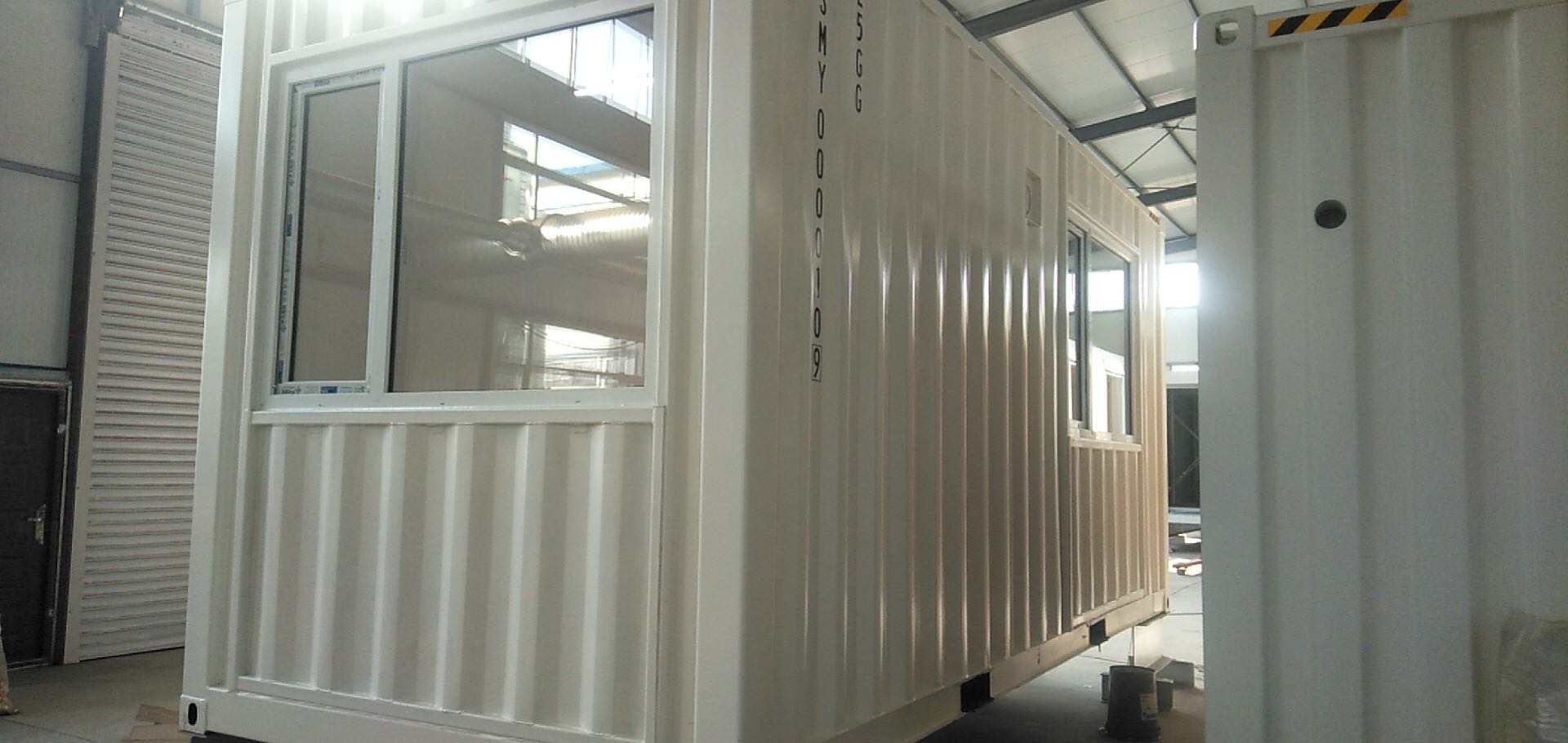
TOPK container-size modules match the dimensions of a standard 20 ft, 40 ft or 40 ft high-cube container, and they look like containers. They carry a CSC plate and are certified by a classification society, so they can be transported by the container method: lifted by the container’s corner fittings, stacked, and carried on a container ship and a container truck.
TOPK Container Certification Overview
| The CSC plate and certificate support | They do not replace |
|---|---|
| Shipping and handling the module as a container | Building approval from your local authority |
| Container freight rates instead of flat-rack or breakbulk shipping | Local building code, structural and energy requirements |
| Recognition by carriers, terminals and insurers | Certification of electrical, plumbing and other products fitted locally |
Container-size modules and non-standard modules
| Feature | Container-size module | Non-standard size module |
|---|---|---|
| Dimensions | Same as a standard container | Built to your drawings |
| CSC plate and classification society certification | Yes | No CSC plate |
| How it ships | As a container | Inside a container if it fits; flat-rack container or breakbulk vessel if it does not |
A non-standard module loaded inside a container is carried by that container, so it benefits from container shipping without a plate of its own. A module too large for a container can go by flat-rack container or by breakbulk vessel, depending on the actual situation, at a higher cost.

What you receive
For a container-size module, the CSC plate is fixed to the module, and the shipping documents include the classification society certificate alongside the commercial invoice, packing list, bill of lading and certificate of origin. Your customs broker and your insurer can ask us for any document they need. Tell us at the time of your order which documents you will need, so we can have them ready before shipment.
40ft Container Module Specifications
Why it matters to you
- Shipping cost. A module that ships as a container is priced at container rates. A module of the same size and weight with no container status may have to go as breakbulk.
- Handling. Container ships, terminals and trucks are set up to lift, stack and secure containers. A certified module fits that system.
- Insurance and paperwork. Carriers and insurers deal with containers every day, and they are familiar with the documents.
- Delivery. Container-size modules are lifted and placed in a similar way to containers, so crane and truck operators understand the load.
What the certificate does not cover
The certificate relates to transport. Once the module is on your site and becomes part of a building, your local authority applies its own rules:
- Planning permission and building approval.
- Structural design for your snow, wind and seismic conditions.
- Thermal performance and fire safety requirements.
- Certification of the electrical, plumbing, window, door and appliance products fitted in your country.
Your local engineer or architect prepares the documents your authority requires, and TOPK builds to the approved drawings.
After delivery
The certificate supports the shipment. When the module becomes a permanent part of a building, it is covered by your building approval. If you plan to move, resell or ship the module again, tell us. We can discuss the options before the order is placed.
Planning checklist
- Decide whether your project suits a container-size module or a non-standard module sized to fit inside a container.
- Tell TOPK your destination port and the documents your customs broker and insurer will want.
- Speak to your local authority early about the building approval the project needs.
- Plan the foundations, crane and local fit-out for the delivery date.
FAQ
Is every TOPK module certified?
The container-size modules carry a CSC plate and are certified by a classification society. Non-standard size modules do not carry a CSC plate. They are sized to be loaded inside a container, or they ship by flat-rack container or breakbulk vessel if they are too large.
What is a CSC plate?
It is the approval plate carried by a container under the International Convention for Safe Containers. It shows that the container has been approved for safe handling at sea and on land.
Does the plate mean I do not need a building permit?
No. The plate and certificate relate to shipping. Building approval comes from your local authority.
Which classification society issues the certificate?
Contact TOPK and we will confirm the certificate that applies to your order.
Do I get a copy of the certificate?
Yes. Container-size modules ship with their certificate, and we can supply copies for your customs broker and insurer.
Does a non-standard module need a CSC plate?
Not when it is loaded inside a container, because the container carries it. If it is too large for a container, it goes by flat-rack container or breakbulk vessel.
Ask About Container Certification Documents