Containerised Solar and Battery Storage: How an Energy Module Works
GUIDE SERIES · PART 18 OF 48
Containerised Solar and Battery Storage: How an Energy Module Works
Components, sizing inputs, safety certification and what a TOPK enclosure supplies, for farms, lodges, resorts and remote sites.
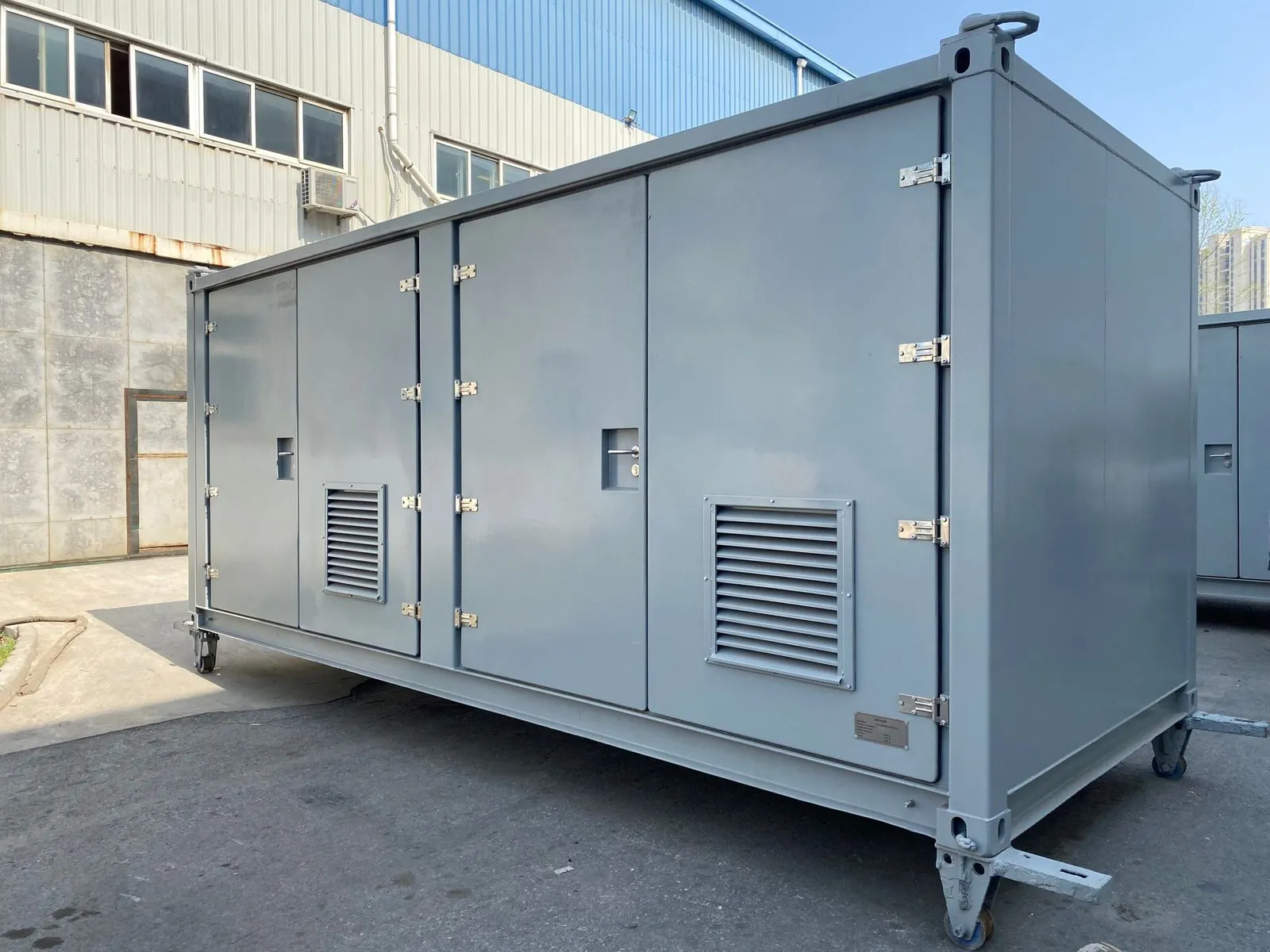
A containerised energy module puts solar power, batteries and the equipment that controls them into one weatherproof, transportable building. It can run a remote lodge, support a farm, back up a resort or power a camp that has no grid.
This guide explains how such a module works, what goes into it, what you need to decide before ordering, and where TOPK fits. It is a general guide. The electrical and safety rules are strict and they differ by market, so please work with a qualified designer and your system supplier.
What an Energy Module Does
Solar panels make electricity when the sun shines. Batteries store the surplus, so the power can be used at night or when the sky is dull. An inverter converts the electricity for your loads, and control equipment manages the flow.
Put together in one enclosure, that gives you:
- Self-consumption. Use more of your own solar power, and buy less from the grid where there is one.
- Backup. Keep essential loads running if the grid fails.
- Off-grid power. Supply a site that has no grid connection, often with a generator as a further backup.
- Peak management. Use stored power when electricity is most expensive, where tariffs allow.
What Is Inside
| Part | What It Does |
|---|---|
| Solar array | Panels on the module roof, on the ground, or on a nearby structure |
| Inverter or power conversion system | Converts between DC from the panels and batteries, and AC for loads and the grid |
| Battery system | Stores energy, with racks or cabinets |
| Battery management system | Monitors and protects the battery |
| Switchgear and protection | Isolation, protection devices and metering |
| Thermal management | Ventilation, heating or cooling to keep equipment in its working range |
| Fire detection and protection | Detection, alarm and suppression, as your local rules require |
| Monitoring and control | Shows what the system is doing, and controls how it behaves |
| Enclosure | Protects everything from weather, dust and tampering, and carries the structure |
What the Enclosure Does
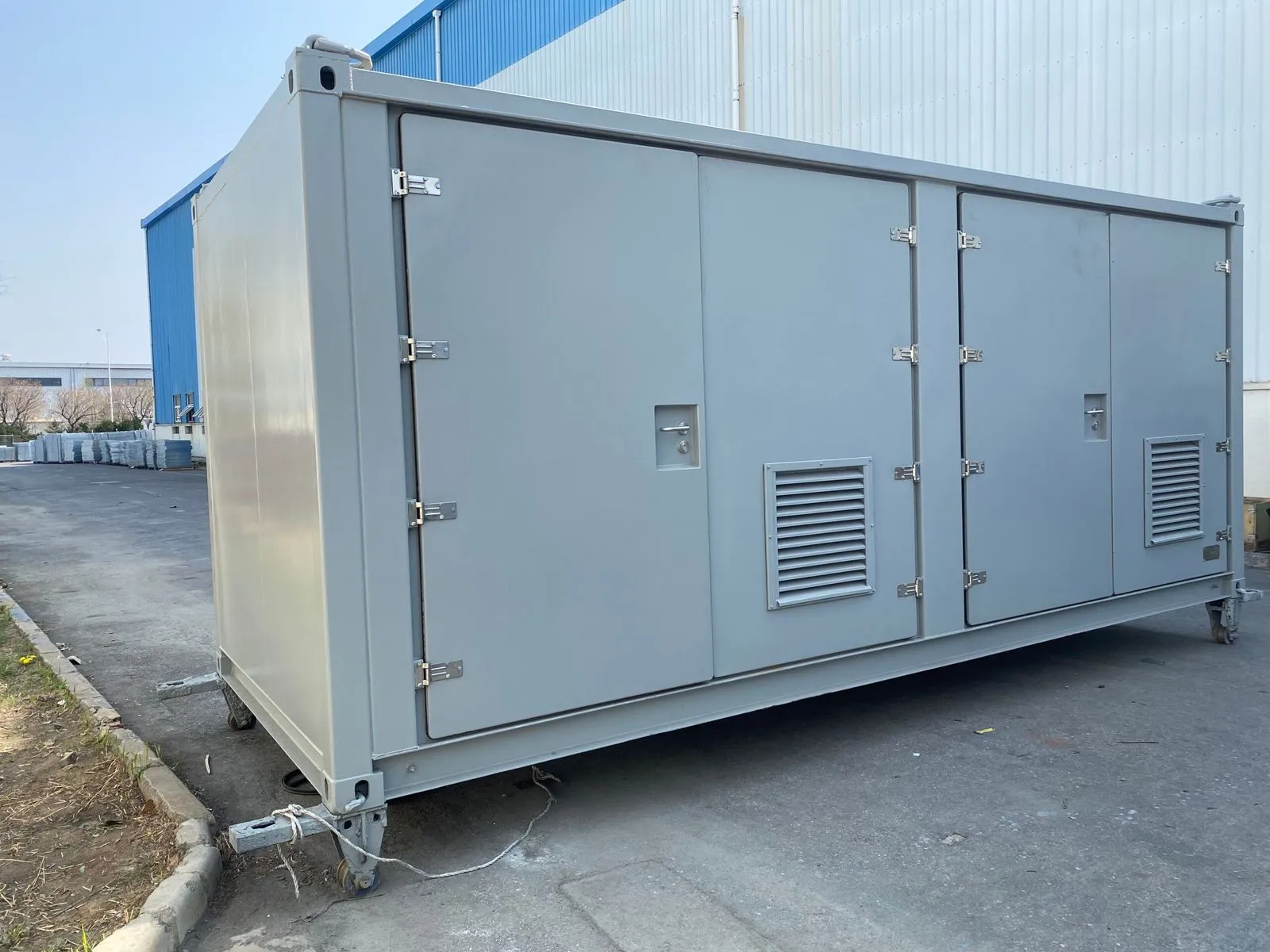
This is the part TOPK builds. A good enclosure is more than a box.
- Structure. It carries the weight of the battery racks and equipment, and the loads from wind, snow, transport and lifting.
- Weather and security. It keeps out rain, dust and pests, and has doors that lock.
- Thermal control. It has insulation and the openings for ventilation and cooling that the equipment needs.
- Cable and pipe routes. It has entries and routes for power, control and cooling lines, set out in your drawings.
- Access. It has doors and clear working space for installation, inspection and maintenance.
- Roof support. It can be designed to carry roof-mounted solar panels, if your design calls for it.
- A single transportable unit. It can be lifted and moved as one building.
How TOPK Fits
TOPK builds the module: the steel structure, insulation, and the wall, floor and roof system, with the openings and service routes set out in your drawings.
The batteries, inverter, battery management and fire protection systems come from a supplier whose equipment is certified for your market, and they are installed and commissioned by qualified people. Please tell us who your system supplier is, because their equipment dictates how the enclosure must be built.
Custom Equipment Containers for Energy Projects
TOPK builds two kinds of module, both made to your drawings.
| Feature | Container-Size Module | Non-Standard Size Module |
|---|---|---|
| Dimensions | Same as a standard 20 ft or 40 ft container | Built to your drawings |
| Appearance | Similar to a shipping container | Designed to your brief |
| CSC plate | Yes | No |
| How it ships | As a container | Inside a container if it fits; flat-rack container or breakbulk vessel if it does not |
For planning, one 20 ft module has an outside footprint of about 15 m², and one 40 ft module about 30 m². A container-size module ships at container rates and gives the best value for money.
A 40 ft high-cube container gives about 30 cm more height than a standard container, which helps where equipment needs more headroom.
Certification: The System Matters, Not the Box Alone
Battery storage safety is judged at system level. In the United States, UL 9540 evaluates the whole energy storage system working together, including the batteries, the battery management system, the power conversion system, the enclosure and the thermal management.
This has a practical consequence. If the enclosure is changed, the supplier’s certification may need to be checked again. So the enclosure design should be agreed with your system supplier before building.
The main framework in each market is below, and your local authority decides what applies.
| Market | Typical Framework |
|---|---|
| United States | UL 9540 system certification, with UL 9540A fire test data where required. NFPA 855 sets installation rules, with NEC Article 706 for electrical work. The local fire and building authorities decide. |
| European Union | IEC 62619 is the base safety standard for stationary lithium batteries, alongside standards for power conversion such as EN 62477 and EN 62109. CE marking applies to the equipment. |
| United Kingdom | The wiring rules in BS 7671 and your installer scheme and local building control, plus the equipment standards above |
| Australia | AS/NZS 5139 covers siting, separation, ventilation and protection for battery systems, with licensed installers and the electrical and grid rules |
TOPK does not claim certification for battery equipment. That certification belongs to your system supplier. A CSC plate and classification society certificate on a container-size module relate to shipping only.
Shipping: Batteries Are Dangerous Goods
Lithium batteries are dangerous goods in transport, and they have their own testing and shipping rules, including UN 38.3 testing.
Whether batteries are shipped inside the enclosure or separately depends on the supplier and the carrier’s rules. Many projects ship the enclosure on its own and install the batteries at the destination.
Tell us your plan early, so that we plan the shipping and the packing accordingly.
What to Decide Before Ordering
A designer will size the system from your loads. These are the inputs.
| Input | Why It Matters |
|---|---|
| What you need to power, and how much per day | Sets the energy the batteries and panels must supply |
| Peak power demand | Sets the inverter size |
| Hours you need power, and any critical loads | Sets the backup requirement |
| Sunshine at your site, across the seasons | Sets the size of the solar array |
| Days of autonomy you want without sun | Sets the battery size |
| Grid connection, generator or off-grid | Sets the design and the control strategy |
| Temperature range at the site | Sets thermal management |
| Space for panels, on the roof or on the ground | Sets the array layout |
| Distance to buildings and boundaries | Sets siting under fire rules |
Siting and Installation
- Separation and ventilation. Battery systems have rules on distances from buildings, boundaries and other equipment, and on ventilation. Your local code sets them.
- Fire service access. Plan access for emergency responders.
- Foundation. The module sits on a foundation prepared by your local contractor, designed for the weight of the equipment.
- Crane and delivery. Check the road, the turning space and the crane position.
- Electrical connection. Licensed electricians connect the module to your loads and, where applicable, to the grid, and carry out commissioning and testing.
Custom Steel Enclosure Manufacturing
Combined with Accommodation or Other Modules
An energy module often serves other buildings, such as a lodge, a cabin or a site office.
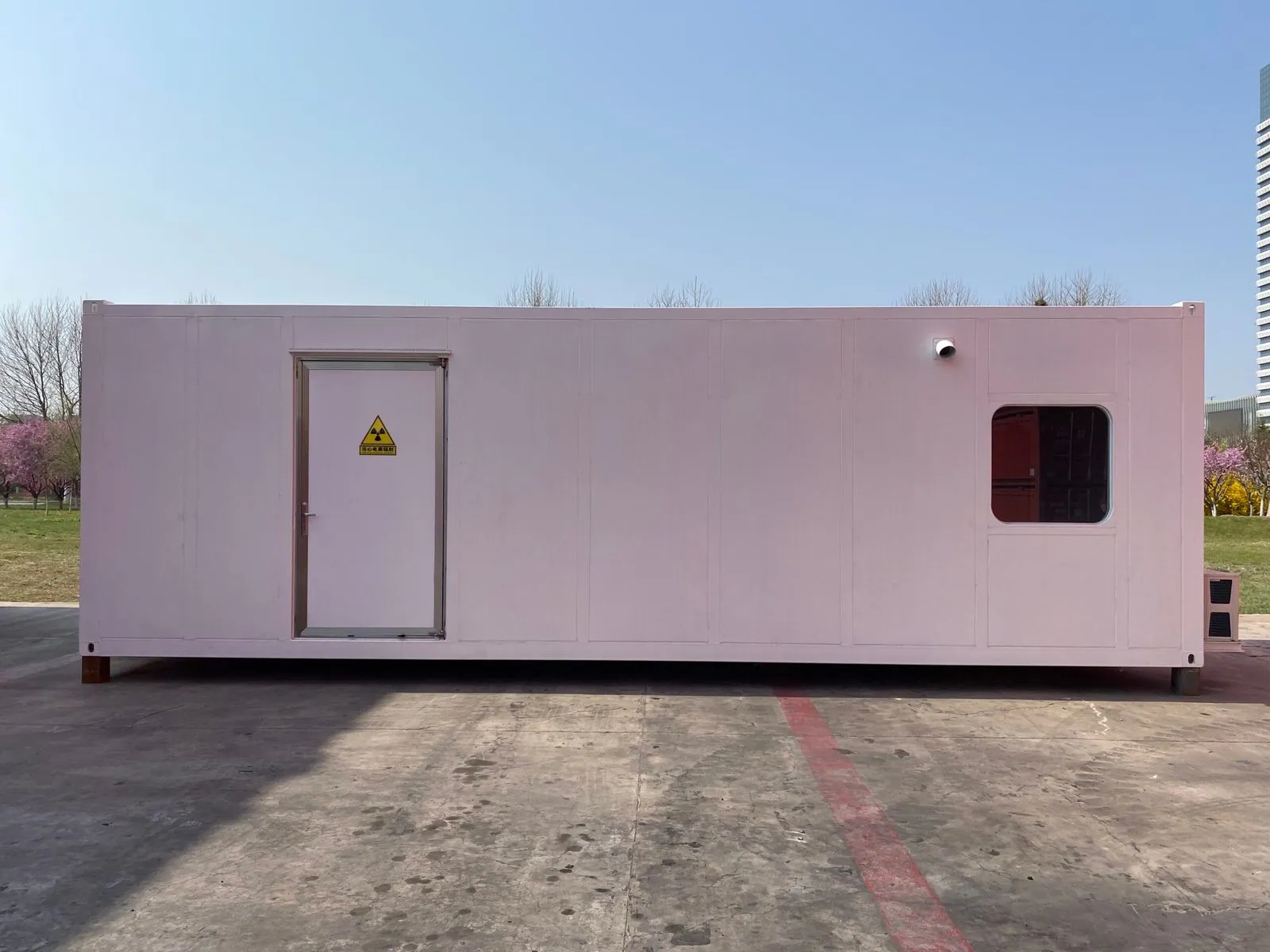
Where modules are joined, TOPK uses our own quick-connection system, without welding between modules. The connection is designed to be waterproof, to keep the insulation continuous across the joint and to be quick to install. An energy module can also stand on its own near the buildings it serves.
If the site changes, the enclosure can be moved. Under the right conditions, TOPK modules can be separated quickly and transported to a new site, and the equipment is handled according to your supplier’s instructions.
What TOPK Supplies, and What You Arrange Locally
TOPK builds the enclosure. You and your system supplier arrange the solar panels, batteries, inverter, protection, fire systems and control equipment, with the certifications your market requires.
You also arrange the foundation, delivery to site, crane, electrical connection by licensed electricians, commissioning, and the approvals and inspections your authority requires.
For larger projects, tell us your quantity, your market and your supplier, and we will confirm what we can offer.
The Process, Step by Step
- Define the load and the site. Use the inputs above, with your designer.
- Choose the system supplier. Get their enclosure requirements in writing.
- Send drawings or a sketch to TOPK. Include equipment dimensions, weights, cable entries and ventilation needs. We prepare production drawings and size the module for shipping.
- Approvals. Your local professionals prepare the documents your authority requires.
- Order and pay. Every TOPK building is made to order and cannot be sold to anyone else. Production starts only after the final drawings are approved and payment in full is received by T/T.
- Production and shipping. We send photos at the main stages. Plan the batteries’ shipping with your supplier.
- Installation. The crane lifts the enclosure onto the prepared foundation.
- Equipment installation, commissioning and inspection. Qualified people install and test the system, and your authority inspects it.
Common Mistakes
- Choosing the enclosure before the equipment. The equipment dictates the enclosure, so start with the supplier’s requirements.
- Undersizing for the worst season. Size for the lowest sunshine period, not the average.
- Ignoring siting rules. Distances and ventilation limit where the module can go.
- Forgetting transport rules for batteries. Plan the shipping early.
- Changing the equipment after the drawings are approved. Each enclosure is custom made, so changes affect the schedule and cost, and may affect the supplier’s certification.
FAQ
Does TOPK supply the batteries and inverter?
TOPK builds the enclosure. The batteries, inverter, battery management and fire systems come from a supplier whose equipment is certified for your market. Contact us with your project, and we will confirm what we can offer.
Can a container-size module hold battery equipment?
Yes, if it is designed for the equipment’s weight, ventilation, cable entries and fire requirements, and agreed with your supplier. Send us the equipment details.
Is the enclosure certified for energy storage?
Certification of battery storage applies to the whole system, and it belongs to your system supplier. The CSC plate on our container-size modules relates to shipping only.
Can I put solar panels on the roof?
Yes, if the roof is designed for it. Tell us the array layout, and we will design the roof structure to suit.
Can I move the energy module later?
In the right conditions, yes. Tell us at the start, and tell your supplier, because the equipment has its own instructions.
Do I pay in advance?
Yes. Every TOPK building is custom made, so payment in full by T/T is received before production begins.
Discuss Your Battery Storage Enclosure Requirements