1.How to Import a Modular Container Building from China, Step by Step
TOPK builds custom modular container buildings for customers in Europe, North America, and Australia. This guide covers the eight steps from sending your first sketch to installing and finishing the building on your site. It also explains what TOPK supplies, what you can source locally, and which costs to budget for.
What TOPK Supplies and What You Source Locally
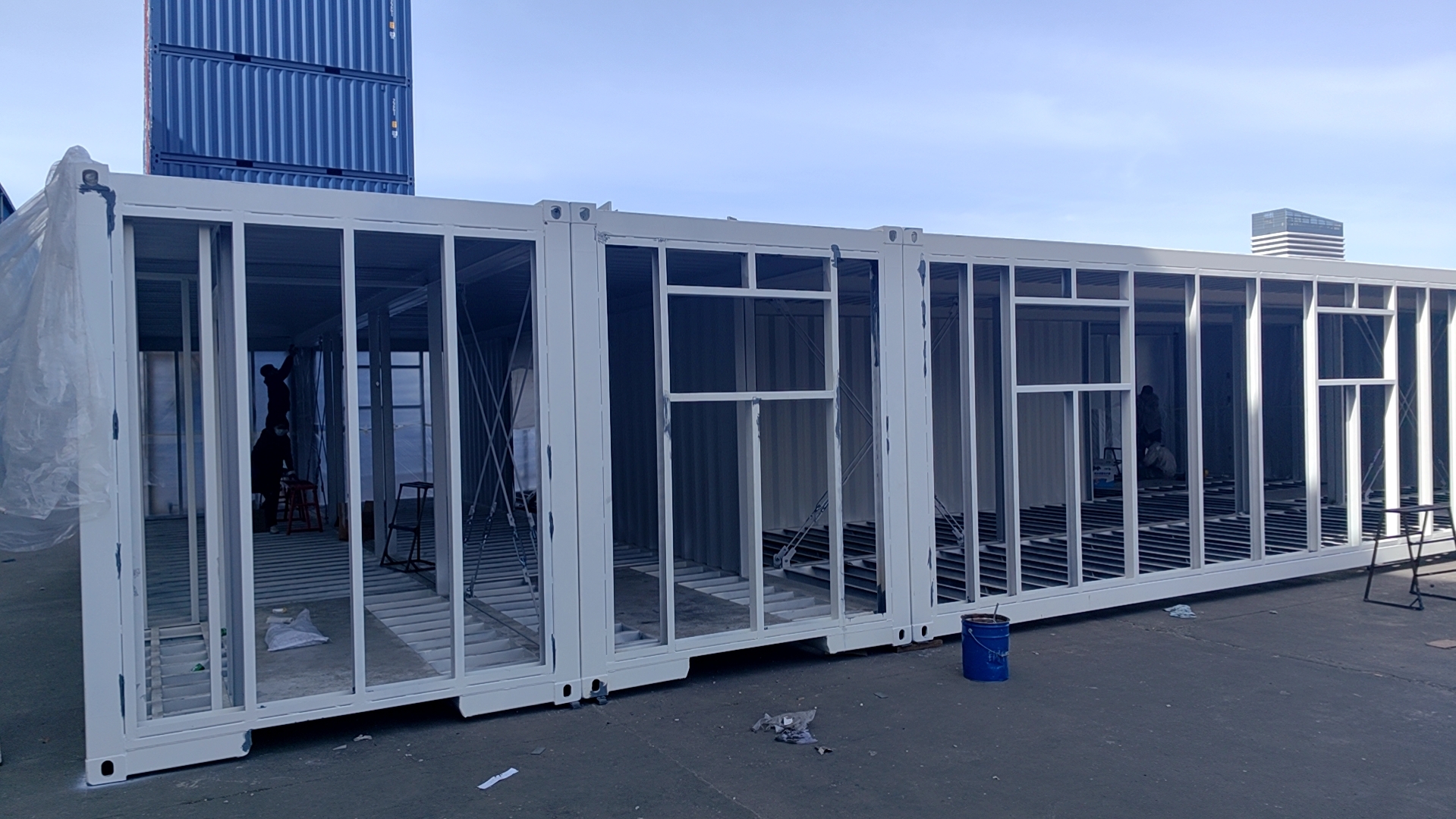
TOPK manufactures the building module, including the steel structure, insulation, and wall, floor, and roof systems. We prepare openings and service routes according to the approved drawings so that your local contractors can complete the fit-out.
For single units and small orders, customers generally source plumbing, wiring, windows, doors, and appliances locally. This makes it easier to select products that meet local requirements and coordinate installation with the tradespeople responsible for the work.
For larger projects, TOPK can quote fully finished buildings with components selected for the destination market. Send us your project location and the number of units so we can confirm the available options.
Four Things to Confirm Before Requesting a Quote
- Intended use. Tell us whether the building will be a guest cabin, site office, commercial kitchen, or something else, and how many people will use it. This affects the layout, insulation, and utility requirements.
- Size and layout. Decide whether you need a single unit or several modules joined together. If the modules will travel inside shipping containers, check both the usable interior dimensions and the door opening. Oversized modules may require special freight arrangements.
- Site conditions. Check the ground, delivery truck access, crane access, and distance to power, water, and drainage connections. These details affect installation costs and scheduling.
- Local approvals. Ask your local planning or building authority how it classifies the proposed building and which drawings, permits, and inspections it requires.
If you have architectural drawings, send them with your enquiry. If you have a sketch, include the dimensions and intended use so TOPK can prepare production drawings.
The Import Process in Eight Steps
1. Send Your Brief and Drawings
Share the intended use, dimensions, site location, and any drawings or sketches. TOPK will discuss the wall construction, window and door openings, and service routes needed for the local fit-out.
2. Review the Quotation
Check the written specification for the steel structure, insulation, cladding, module dimensions, and openings. The quotation should state what TOPK will supply, what your local contractors will provide, and which Incoterm applies.
3. Approve the Drawings and Confirm the Order
Each TOPK module is made to order. Production begins once you approve the final drawings and TOPK receives full payment by bank transfer (T/T).
4. Follow Production Progress
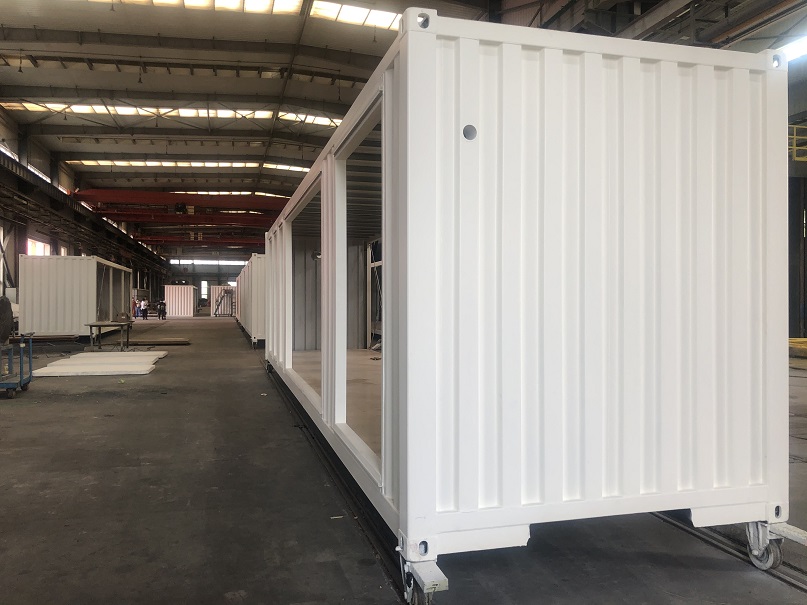
TOPK builds the modules to the approved drawings and shares photos at key stages. If you need photos of insulation or service routes, agree on when to take them before the walls are closed.
5. Arrange Packing and Shipping
The packing and transport method depends on the module dimensions. Confirm the shipping schedule, destination port, and the documents your freight forwarder and customs broker will need.
6. Clear Customs
Ask your customs broker to confirm the tariff classification and estimate duties, taxes, and clearance fees before you place the order. Use the agreed Incoterm to confirm who handles each part of the shipment and clearance.
7. Deliver the Modules and Set Them on the Foundations
Arrange inland transport and book a crane crew. Confirm that the access route can accommodate the delivery vehicle and that the foundations are ready before the modules arrive.
8. Complete the Local Fit-Out and Inspection
Arrange for local tradespeople to complete the electrical and plumbing work and fit the windows, doors, and appliances included in your local scope. Schedule any inspections required for the building’s intended use.
What to Budget Beyond the Module Price
| Cost item | Who to contact | What to confirm |
|---|---|---|
| Modules | TOPK | What the quotation includes and excludes |
| Production drawings and local engineering | TOPK and your local engineer | Whether additional drawings or a local engineer’s sign-off are needed |
| Packing and loading | TOPK | Number and type of shipping containers or other equipment |
| Ocean freight and insurance | Freight forwarder | Which charges are covered under the agreed Incoterm |
| Import duties and taxes | Customs broker | Tariff classification and estimated charges |
| Customs clearance and port fees | Customs broker and freight forwarder | Brokerage, handling, and any storage charges |
| Inland transport and crane hire | Local haulier and crane operator | Route restrictions, site access, and crane requirements |
| Foundations and site works | Local contractor | Ground conditions, site preparation, and foundation costs |
| Local fit-out | Local suppliers and installers | Costs for plumbing, wiring, windows, doors, and appliances |
| Permits and inspections | Local authority | Applicable approvals, fees, and inspection stages |
When comparing quotations, give each supplier the same drawings, specification, and Incoterm. That makes it easier to see which costs each quotation covers.
Paperwork and Local Approvals
Before ordering, ask your broker and local building authority which documents they need. Confirm who will provide the commercial invoice, packing list, bill of lading, and any certificate of origin, drawings, or material and test certificates required for your project.
- United States. Ask the state or local building department about approvals for factory-built modules, engineering sign-off, and on-site inspections.
- United Kingdom. Ask the local authority which planning and building regulations approvals apply to your building’s use, size, and location.
- European Union. Ask the authority in the destination country about building permits, structural and fire safety requirements, and documentation for the products used in the fit-out.
- Australia. Ask your local building authority about the approval process and your broker about any biosecurity requirements that apply to the shipment.
If your carrier, insurer, or broker requests a shipping certificate, send TOPK the exact requirement so we can confirm the documentation available for your module and transport method.
Common Planning Mistakes
- Ordering before checking local approvals. Confirm the required drawings and inspections before approving the design.
- Overlooking delivery access. A narrow road, soft ground, or overhead power lines can affect truck access and crane placement.
- Waiting until arrival to plan the fit-out. Line up local installers and confirm component sizes while the modules are in production.
- Finalising dimensions before checking freight options. Confirm loading clearances and the transport method with your supplier and forwarder.
- Changing the design after production starts. Review the layout, openings, and service routes before signing off on the drawings.
- Leaving customs classification until arrival. Have your broker review the specification and confirm what they need before shipping.
Frequently Asked Questions
Can I order a building without architectural drawings?
Yes. Send a sketch with dimensions, the intended use, and the site location. TOPK can prepare production drawings. Depending on the project, you may also need a local engineer or architect to prepare or sign off on drawings for approval.
Can I order a single unit?
Yes. TOPK can supply a single module, with the local fit-out arranged in the destination country.
Does TOPK supply windows, doors, plumbing, wiring, and appliances?
For single units and small orders, customers generally source these items locally. For larger orders, send TOPK your quantity, destination, and fit-out specification so we can confirm what we can supply.
When is payment due?
TOPK requires full payment by bank transfer (T/T) before production. We begin manufacturing after the final drawings are approved and payment has been received.
Why do module dimensions affect shipping costs?
A module that fits inside a shipping container can travel as container freight. An oversized module may need a different transport method. Ask your forwarder to confirm the available options using the actual packed dimensions.
Who pays import duties and taxes?
Check the agreed Incoterm and the contract for who handles import clearance and related charges. Your customs broker can confirm the estimated amounts for your destination.
Do I need a building permit?
Ask your local authority before ordering. The answer depends on the building’s intended use, size, and location.
Request a Quote from TOPK
Send us your project location, intended use, dimensions, quantity, and any drawings or sketches you have. We’ll use those details to prepare a quotation and confirm the scope of supply for your project.